Australia's largest independent migration law firm. Get a FREE Consultation
Need help? We are available 7 days a week.


Tell us about your situation, and our immigration lawyers will get back to you shortly.
Tell us about your situation, and our immigration lawyers will get back to you shortly.


2025 Telstra Best of Business Awards Nominee


Winner of Most Trusted Australian Migration Law Firm 2023-2026

Ranked 1st for migration law in 2023, 2024 & 2025

Ranked in the top migration lawyers 2023, 2024, 2025 & 2026

Ranked the best migration law firm 2024 & 2025

.svg)
Decision-ready applications, prepared by lawyers.
No Visa, No Fee options available.*
Free initial consultation (T&Cs apply).
Key Takeaways
Dual citizenship allows a person to hold citizenship in more than one country at the same time. This means an individual is legally recognised as a citizen under the laws of both countries. A dual citizen can hold two passports and may have rights and obligations in each country. These include the rights to live, work, and vote in both countries while complying with local laws and meeting civic duties, such as paying taxes.
While Australia allows dual citizenship, individuals must ensure the other country also permits it. Dual citizens are entitled to all Australian benefits, including Medicare, regardless of where they live.
Dual citizenship, also referred to as dual nationality, is an attractive prospect for many who migrate to Australia. For permanent residents, attaining Australian citizenship offers significant benefits, and the ability to retain their original nationality is a key consideration. Since 2002, Australia has officially allowed dual citizenship. However, an issue may arise from the laws of an individual's country of origin. This is because Australia permits dual citizenship, but many other countries do not.
Understanding the complex interaction between Australian law and foreign regulations is therefore essential, and seeking advice from an Australian Migration Lawyer can provide crucial clarity on your eligibility and circumstances before you proceed.
In Australia, there are three ways that someone can become an Australian citizen. Individuals can be born in Australia, receive citizenship due to a parent being an Australian citizen, a process known as citizenship by descent, or be a permanent resident of Australia and apply for Australian citizenship (if eligible).
For permanent visa holders, as they will be permanent residents, they will need to apply to become an Australian citizen. To be eligible for consideration, visa holders will need to:
And not have an exception to citizenship (such as identity, criminal offences, or risk to national security) apply to them.
Beyond being eligible to receive an Australian passport, there are many other benefits to becoming an Australian citizen, including:
If visa holders are wondering if they are eligible for Australian citizenship or are trying to work out a pathway to be eligible to apply, contact an Australian Migration Lawyer today.
[free_consultation]
If you are interested in getting more information about Australian citizenship, get in touch with Australian Migration Lawyers for a consultation.
[/free_consultation]
Under the Australian Citizenship Act 2007, the process of becoming an Australian citizen occurs over multiple stages, similar to the process that applies when applicants apply for a visa in Australia. After applicants ensure that they are eligible to apply, they will need to prepare all of the documents related to applying for Australian citizenship and provide any supporting evidence that substantiates their claims. To lodge the application, applicants will be required to submit the application form online (including any supporting documents) and pay the relevant application fee (paper applications are allowed in certain circumstances).
Applications can be made from both inside and outside of Australia. Following lodgement, most people between 18 and 59 will need to sit the citizenship test or have an interview with the Department of Home Affairs. After the aforementioned steps are completed, the Department will then take time to examine and decide upon the application and seek further information if necessary.
Following a decision being made, the Department will contact the applicant and notify them in writing of the decision. If successful, applicants will be required to attend a citizenship ceremony and make the Australian Citizenship Pledge to become an Australian citizen.
An Australian Migration Lawyer can provide tailored information and specific advice to applicants if they are unsure of any stage of the process or have any further questions.
During the citizenship application process, as mentioned above, applicants will need to pledge their loyalty to Australia. However, despite this, Australia does not place any restrictions on dual nationals and allows individuals to hold Australian citizenship while holding citizenship of another country.
Australia places no limit on how many citizenships you can hold, provided each country's laws permit it.
Applicants should be aware of the following:
Applicants should also note that while Australia does not have compulsory military service for citizens, holding dual citizenship will not make an applicant immune from military service obligations if they apply in their home country. This same reasoning extends to the relevant laws that apply to citizens in the applicant's home country (including civic obligations such as jury duty) as they may still be recognized as a current citizen despite being a citizen of two countries. Likewise, as an Australian citizen, the applicant cannot deny the applicability of Australian and local laws to them on the basis of being a dual citizen.
Applicants who wish to become dual citizens of Australia and another country should contact their local authorities to understand the rules that may apply to their current citizenship.
An Australian Migration Lawyer can provide tailored information to applicants in specific circumstances, so if you or a family member has questions or needs help, contact us.
Australia permits dual citizenship without restriction under its domestic law. This means a person does not need to renounce their existing citizenship when becoming an Australian citizen, and Australian citizens may acquire another nationality without losing their Australian status.
Under Australian law, dual citizens are treated the same as any other Australian citizen while in Australia, having access to:
Dual citizens must also comply with all Australian laws and obligations at the same time:
A number of countries recognise multiple citizenship, allowing individuals to hold dual citizenship with Australia simultaneously. While not an exhaustive list, these countries include:
A number of countries do not recognise multiple citizenship or dual nationality as they do not allow citizens to hold multiple citizenships. While not an exhaustive list, these countries include:
It is worth noting that India also does not permit dual citizenship, but offers the Overseas Citizenship of India (OCI) card as an alternative. While OCI holders enjoy many of the benefits of Indian citizenship, they are not treated as full citizens under Indian law.
[success_stories] [/success_stories]
Holding dual citizenship can create legal and practical complications, particularly where the laws of the other country differ from those in Australia. Other countries may impose restrictions or obligations on their citizens that continue to apply even after those citizens acquire Australian citizenship.
Some key considerations include:
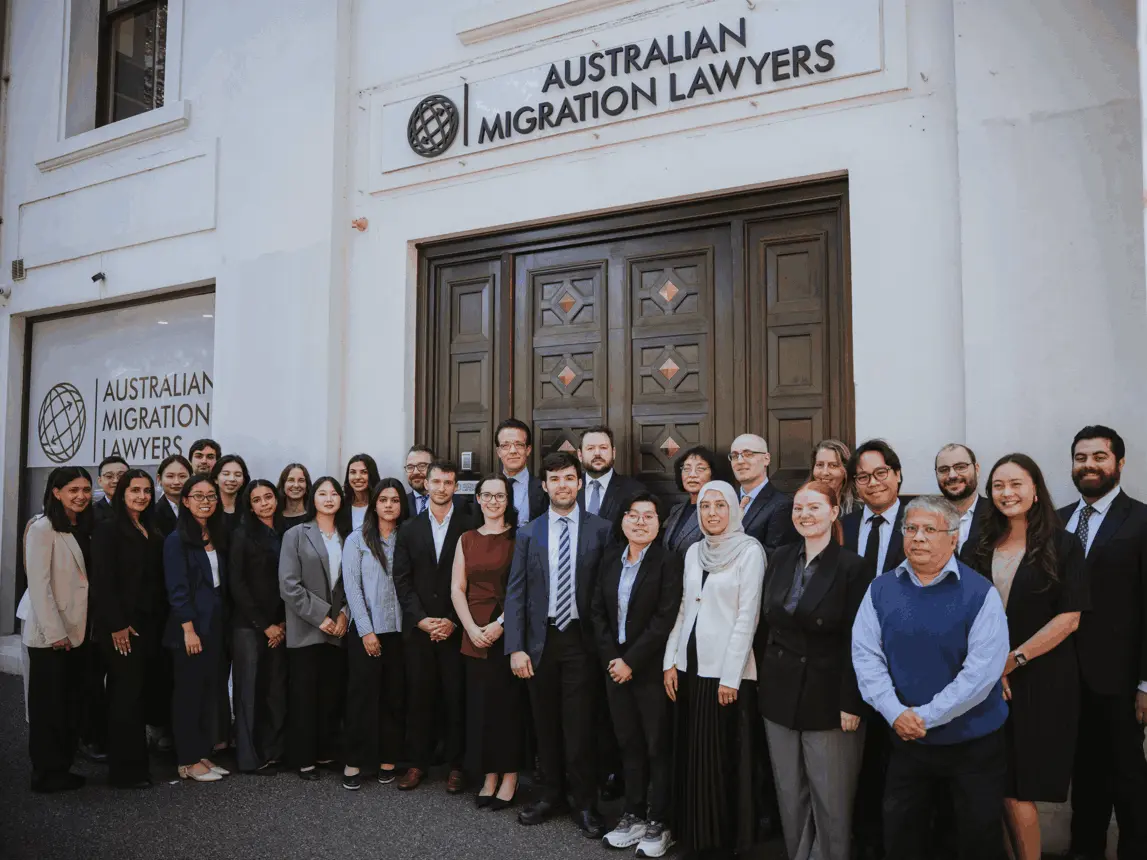
At Australian Migration Lawyers, we can provide information, advice and guidance to prospective citizenship applicants at any stage of the process. This includes helping visa applicants navigate through Australia's immigration framework to find a pathway to citizenship or guiding current visa holders who are ready to apply.
At Australian Migration Lawyers, we understand that the process of applying for citizenship can be confusing, especially where applicants already have citizenship in another country, so we endeavour to help applicants navigate the Australian citizenship process and provide tailored, specific advice. For applicants and their families who need help with Australian citizenship, contact an Australian Migration Lawyer.
Dual citizenship can create some legal complications. For instance, a person holding dual citizenship may be subject to the laws and obligations of both countries, including double taxation and military service obligations. Consular assistance from Australia is also limited when the individual is in their other country of citizenship.
Many countries permit multiple citizenship with Australia, such as the United Kingdom, Canada, the United States, France, Switzerland, and New Zealand. However, each country has its own rules that must be followed.
Yes, Australia allows dual citizenship. You can become an Australian citizen without giving up your existing citizenship, provided your other country also permits it.
This depends on the laws of your home country. Australia does not require you to renounce Australian citizenship, but some countries, like Japan and India, may automatically revoke citizenship when another is acquired.
No, dual citizenship is not legal in all countries. Some nations prohibit it or impose restrictions, so you must check the laws of each country involved.
Yes, dual citizens are entitled to apply for and hold an Australian passport. As an Australian citizen, you must use your Australian passport to enter and leave Australia.
Tax obligations depend on each country’s laws. Some countries tax based on residency, while others may tax citizens regardless of where they live. So, dual citizens must check the exact taxation laws of the countries in which they hold citizenship.
Dual citizenship may make travel easier, but it is not unrestricted. Every dual citizen must follow each country's entry and exit rules.
If you would like to find out more, please reach out and tell us a little bit about your situation. One of our migration lawyers will get back to you as soon as possible to arrange a call so that we can outline your options and help you find the best solution.
With 15 years of experience in United States law and public administration, followed by 5 years practising Australian migration law, Nick brings a depth of cross-jurisdictional legal expertise to his work as an Australian migration lawyer.
Nick holds a Bachelor of Arts in Political Science from Florida State University (2000), a Juris Doctorate from St. Thomas University School of Law (2004), and a Master of Public Administration from Florida State University (2007). He has been a member of the Florida Bar since 2006 and the District of Columbia Court of Appeals Bar since 2007, establishing a distinguished international legal career before relocating to Melbourne in 2021.
After completing his Australian legal studies at La Trobe University and The College of Law, he was admitted as an Australian lawyer by the Supreme Court of Victoria in 2022. He subsequently obtained Legal Practitioner Number 5513285, through which he practises in migration law. He is a member of the Law Institute of Victoria.
Nick offers expert guidance on a wide range of migration matters. Having personally navigated the migration process himself, he brings both professional expertise and genuine understanding of what clients experience throughout the process.
Nick serves clients nationally, including in Melbourne, Sydney, Brisbane, Perth, and Adelaide, providing comprehensive support.
He has represented clients in proceedings before the Administrative Review Tribunal (ART), bringing tribunal advocacy experience to complex and contested migration matters.
Outside his professional life, Nick enjoys reading, travel, and exploring Melbourne's coffee culture.
LEGAL DISCLAIMER: Articles and blog posts published by Australian Migration Lawyers provide general information only and do not constitute migration or legal advice. Reading this content does not create a lawyer-client relationship, and any reliance on it is strictly at your own risk. Because migration laws change frequently, please consult a registered Australian Lawyer for professional advice tailored to your specific circumstances before making any migration decisions or applications.
Tell us about your situation, and we will get back to you shortly.
Tell us about your situation, and we will get back to you shortly.
Tell us a little about your situation, and one of our migration lawyers will get back to you as soon as possible.
Our experienced migration lawyers are here to help —risk-free. Ask about our No Visa, No Fee options and we'll guide you through every step of your journey.
No Visa, No Fee T's and C's apply
.webp)

%402x.svg)


.webp)